

In recent years, both luxuries and everyday necessities have become increasingly out of reach for many Americans. At the same time, constant exposure to influencers and celebrities flaunting their wealth on social media has created unrealistic standards. As a result, many people are grappling with what experts refer to as “money dysmorphia” or “financial insecurity”— a disconnect between how they see their finances and what’s actually true.
Whether or not someone is formally experiencing financial insecurity, there’s a clear link between money matters and mental health. In fact, nearly 3 in 4 people say their financial situation impacts their mental well-being, according to WalletHub’s nationally representative Financial Insecurity survey. The study explores how Americans feel about their financial standing and how those feelings affect their mental health.
Key Stats
- Government Debt Anxiety: 63% of Americans say the U.S. government’s debt level is making them feel financially insecure.
- Money and mental health: Nearly 3 in 4 people say their financial situation impacts their mental well-being.
- Retail therapy: 61% of Americans say they spend money to improve their mood.
- Financial Guidance Fears: Nearly 2 in 5 people are scared to ask for financial advice.
- Widespread insecurity: 69% of Americans feel insecure about their finances.
- Budgeting Confidence: 80% of Americans say budgeting makes them feel more financially secure.

Ask the Experts
For additional insight on how people’s finances and mental health are linked, WalletHub turned to a panel of experts. Click on the pictures of the experts below to see their bios and responses to the following key questions:
- Around 69% of Americans feel insecure about their finances. What are the best steps to take to feel more secure?
- What is the best way to treat “money dysmorphia,” where there is a disconnect between the way someone perceives their financial situation and their reality?
- How big of an impact does a person’s financial situation have on their mental health?
- What are some ways to improve your mental health on a budget?
Ask the Experts

Professor, SABEW Chair in Business and Financial Reporting, Missouri School of Journalism - University of Missouri
Read More

EdD, MBA - Senior Director of Student Centers for Student Life - East Carolina University
Read More

Director, Student Money Management Center, University of North Texas
Read More
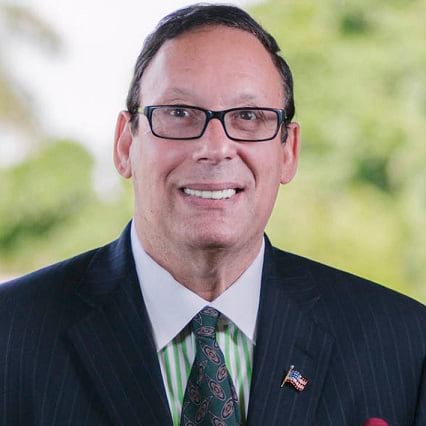
Ph.D. – Associate Professor, College of Business and Management - Lynn University
Read More

MA - Forensic Economist, Director of the Center for Economic Education and Research, Visiting Clinical Associate Professor of Economic Development - Indiana University Northwest, School of Business & Economics
Read More

Ph.D. – Associate Professor, Department of Information Systems - University of Maryland, Baltimore County; Adjunct Associate Professor, Department of Anesthesiology and Division of Health Sciences Informatics; Visiting Associate Professor, The Armstrong Institute of Patient Safety and Quality, School of Medicine - The Johns Hopkins University
Read More
Survey Methodology
This report reflects the results of a nationally representative online survey of 200 respondents. After we collected all responses, we normalized the data by age, gender and income so the sample would reflect U.S. demographics.
Full Survey & Responses
| Do you feel insecure about your finances? | |
|---|---|
| Yes | 69% |
| No | 31% |
| Does your financial status define your self-worth? | |
| No | 56% |
| Yes | 44% |
| Do you spend more than you should on your appearance (i.e. shoes, clothes, beauty services, etc.)? | |
| No | 65% |
| Yes | 35% |
| Does your financial situation impact your mental well-being? | |
| Yes | 74% |
| No | 26% |
| How often do you compare your financial situation to others? | |
| Sometimes | 42% |
| Rarely | 25% |
| Often | 19% |
| Never | 14% |
| Do you spend money to improve your mood? | |
| Yes | 61% |
| No | 39% |
| Are you scared to ask for financial advice? | |
| No | 61% |
| Yes | 39% |
| Is the U.S. government’s debt level making you feel financially insecure? | |
| Yes | 63% |
| No | 37% |
| What makes you feel the most secure financially? | |
| Following a budget | 27% |
| Having multiple income streams | 24% |
| Contributing to an emergency fund | 22% |
| Stable economy | 13% |
| Contributing to a retirement account | 13% |
| Stable politics | 1% |
| Does budgeting make you feel more secure financially? | |
| Yes | 80% |
| No | 20% |
Note: Percentages may not total 100% due to rounding.
WalletHub experts are widely quoted. Contact our media team to schedule an interview.