





- WalletHub's picks
- Methodology
- Sources
- Beginner's guide
- About the author
- User questions & answers
- Expert opinions
WalletHub's picks
The best credit cards for bad credit are secured cards with no annual fee. This is true for everyone with poor credit, except for those who need a modest emergency loan, as even the best unsecured credit cards for bad credit still charge an arm and a leg for a very small spending limit.
To help you find the right card, WalletHub’s editors compared hundreds of offers – both secured and unsecured – and selected the best credit cards for different types of people with bad credit. Below, you can see how the top cards compare and what each card is best for.
Best Credit Cards for Bad Credit Compared
| Credit Card | Best For | Annual Fee |
| Discover it® Secured Credit Card | Secured | $0 |
| opensky® Plus Secured Visa® Credit Card | No Credit Check | $0 |
| OneMain Financial BrightWay® Card | Unsecured | $0 - $89 |
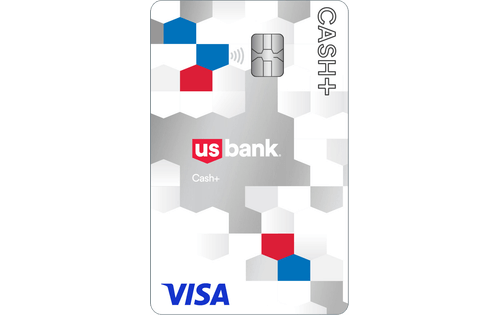
| U.S. Bank Cash+® Visa® Secured Card | Customized Rewards | $0 |
| Montgomery Ward Credit Account | Store cards | $0 |
If you’re still not sure which credit card will best meet your needs and ultimately take your credit to the next level at the lowest cost, we’ll highlight a notable option from each major credit card company below. That way, you won’t have to worry about missing out because you’ll know what all the big players bring to the table.
Best Credit Card for Bad Credit by Company
| Credit Card Company | Card Name |
| American Express | American Express does not offer credit cards for people with bad credit |
| Barclays | Barclays does not offer credit cards for people with bad credit |
| Capital One | Capital One Quicksilver Secured Cash Rewards Credit Card |
| Chase | Chase does not offer credit cards for people with bad credit |
| Citi | Citi does not offer credit cards for people with bad credit |
| Discover | Discover it® Secured Credit Card |
| First Premier | First PREMIER® Bank Secured Credit Card |
| Mastercard | Capital One Quicksilver Secured Cash Rewards Credit Card |
| Visa | U.S. Bank Cash+® Visa® Secured Card |
| Wells Fargo | Wells Fargo does not offer credit cards for people with bad credit |
Methodology
People with poor credit scores have varying needs and financial circumstances, so WalletHub’s editors select the best cards for different use cases. Although some cards are from WalletHub partners, best-card selections are made purely based on the score each card receives from WalletHub’s Credit Card Rating System. These overall scores reflect a card’s user reviews, editor’s ratings, two-year cost and more. The cards with the lowest two-year cost tend to be the best for bad credit.
WalletHub's Key Rating Components

Other Features: 37% – We consider other features such as credit limit increases, reporting to major credit bureaus, free credit score access, credit check requirements, security deposit amounts, and tools that support responsible credit building.
Two-Year Cost: 29% – We calculate the total cost or savings for the average cardholder with poor credit over a two-year period by factoring in all applicable fees, interest rates and rewards. Cards with negative totals provide net savings.
Fees: 15% – We review all fees associated with the card, including annual fees, monthly fees, and any one-time fees.
Editor’s Rating: 10% – WalletHub editors score each card based on accessibility, cost structure, credit-building potential, and overall value compared to other credit cards for bad credit.
Rewards: 5% – We evaluate any rewards offered, including their value and how easy they are to earn and redeem.
User Reviews: 5% – We incorporate cardholder feedback to account for user satisfaction.
Store card picks focus on catering to slightly different needs. As a result, the scoring for that category differs.
How Two-Year Cost Is CalculatedTwo-year cost is used to approximate the monetary value of cards for better comparison and is calculated by combining annual and monthly membership fees over two years, adding any one-time fees or other fees (like balance transfer fees), adding any interest costs, and subtracting rewards. Negative amounts indicate savings. When fees or other terms are presented as a range, we use the midpoint for scoring purposes.
Rewards bonuses and credits have been taken into account for two-year cost calculations. However, bonuses applicable to only a very small portion of cardholders are not considered. For example, credits and bonuses awarded for spending or redeeming rewards through a company portal with non-co-branded cards have not been taken into account. Similarly, bonuses and credits related to spending with specific merchants using a non-co-branded card have not been taken into account (for example, if Card A offers credits with DoorDash, this feature would not be factored into calculations because it is hard to assess how many cardholders would use the benefit or exactly how much value they'd get from it).
Cardholder Spending Profiles
Given that different users have different goals and are likely to use their credit cards differently, we identified spending profiles that are representative of different users’ financial priorities and behaviors. For each cardholder type, we have assumed a specific amount of monthly spending by purchase type (e.g., groceries, gas, etc.), as well as an average balance, balance transfer amount, amount spent on large purchases and average monthly payment. Spending assumptions are based on Bureau of Labor Statistics data for consumers.
WalletHub’s Credit Card Rating System
Below, you can see an overview of how cards are scored. For each metric, we provided the criteria for minimum and maximum points. Between the minimum and maximum, points were allocated on a scale determined by our editors for each metric.
Fees
- Annual Membership Fees (2 year average): Cards with $0 in fees receive 10 points, and cards with more than $100 in fees receive 0 points.
- Total One-time Fees: Cards with no one-time fees receive 5 points, and cards with more than $100 in one-time fees receive 0 points.
Rewards
- Ongoing Rewards Value (2-year average): Cards with rewards receive 2 points, and cards with no rewards receive 0 points.
- Two-year Cost (negative amounts indicate savings): Cards projected to save users $150+ receive 50 points, and cards expected to cost users more than $200 receive 0 points.
Interest Rates
- Regular APR: Cards with an APR of 15% or less receive 8 points, and cards with an APR above 30% receive 0 points.
Approval Requirements
- Security Deposit: Cards with no security deposit receive 4 points, and cards requiring a security deposit receive 0 points.
- Minimum Credit Line: Cards with a minimum credit limit of $400 or more receive 3 points, and cards with a minimum limit below $200 receive 0 points.
- Credit Bureau Reporting: Cards that report to all three major credit bureaus receive 8 points, and cards that report to one or fewer bureaus receive 0 points.
Reviews
- WalletHub User Rating: Cards with a 4.5+ rating receive 10 points, and cards with a rating below 2/5 receive 0 points.
Sources
WalletHub actively maintains a database of 1,500+ credit card offers, from which we select the best credit cards for bad credit for different applicants as well as derive market-wide takeaways and trends. The underlying data is compiled from credit card company websites or provided directly by the credit card issuers. We also leverage data from the Bureau of Labor Statistics to develop cardholder profiles, used to estimate cards’ potential savings.
Beginner’s Guide to Credit Cards for Bad Credit
- What Is a Credit Card for Bad Credit?
- How to Fix Bad Credit With a Credit Card
- Credit Card Mistakes to Avoid When You Have Bad Credit
- Tips for Getting the Best Credit Card for Bad Credit
What Is a Credit Card for Bad Credit?
A credit card for bad credit is a card designed specifically for people who have a credit score below 640. These cards typically have a low spending limit, high fees and interest rates, or a security deposit requirement to offset the risk involved with extending credit to unproven customers. On the bright side, they report to the major credit bureaus each month, so as long as you pay the monthly bills on time, these cards will help you improve your credit score.
Some credit cards for people with bad credit are much better than others, though. In particular, secured credit cards tend to be the best bet because they are easy to get and many offer surprisingly attractive rewards. Plus, many secured cards don’t charge annual fees.
Learn more about what kinds of credit cards you can get with bad credit.
How to Fix Bad Credit With a Credit Card
The keys to fixing bad credit with a credit card are to:
- Make sure you have a credit card that reports information to the three major credit bureaus each month.
- Don’t miss any due dates. Pay at least the minimum amount due on time each month.
- Minimize your credit utilization by keeping your balance low.
- Monitor your progress and adjust as needed.
You can keep track of your credit score for free here on WalletHub. In addition to daily credit score updates, you’ll get customized credit-improvement advice with your free account.
Learn more about building credit with a credit card.
Credit Card Mistakes to Avoid When You Have Bad Credit
The biggest credit card mistake to avoid when you have bad credit is not getting a credit card soon enough. Having a credit card account in good standing that reports to the major credit bureaus monthly is the easiest way to add positive information to your credit reports and gradually cover up mistakes from the past.
You don’t even need to make purchases with your credit card to benefit, if you’re afraid of overspending. As long as you make sure to pay any fees and keep your balance at zero, simply having an open account will benefit your credit score.
The other major mistake to avoid with credit cards when you have bad credit is missing the due date when you have a balance. Payment history is the most important component of your credit score, so you need to pay on time to rebuild.
Learn more about credit card mistakes to avoid.
Tips for Getting the Best Credit Card for Bad Credit
- Catch up on late payments.
Many credit cards for bad credit won’t approve applicants who’ve recently missed bill payments or are currently behind on their bills. And there's no point in adding to your obligations if you don’t have your ducks in a row. - Compare credit card fees.
Your top priority should be improving your credit at the lowest possible cost. One way to keep costs down is to find a card with no annual, monthly, or one-time fees. Another is to always pay your bill in full, which will allow you to avoid interest charges. - Focus on secured cards for high approval odds and low fees.
Secured credit cards offer the highest chances of approval collateral in the form of a security deposit that acts as your credit line. This deposit prevents overspending and the need for fees, making secured cards the cheapest way to rebuild credit.
Many secured cards offer good rewards as well. You should use rewards as a tiebreaker between cards with equally low fees. - Ignore unsecured cards and interest rates in most cases.
You should only get an unsecured credit card for bad credit if you really need to borrow a couple hundred dollars for an emergency expense. If that’s the case, compare offers in search of the cheapest collection of fees and interest rates for your situation. A credit card calculator can help with this.
If you don’t need to borrow for an emergency expense and you plan to pay your bill in full every month, a card’s interest rate won’t affect you. As a result, you can focus on fees and rewards when comparing secured cards. - Don’t assume secured means guaranteed approval.
Secured cards offer the closest thing you can get to guaranteed approval, but most will still perform a credit check. Certain items on your credit report could disqualify you, as could a lack of income or even application errors. If you want a secured card that doesn’t do a credit check, check out our editors’ picks for the best options available right now.