
Maria Adams, Credit Cards Moderator
@m_adams
The best credit card for bad credit with a $3,000 limit is the U.S. Bank Secured Visa® Card. This card allows you to place a deposit of $300 - $5,000, which will serve as your credit limit, and it comes with a $0 annual fee.
Things to Know About High Credit Limits for Bad Credit
- The only way to get a $3,000 limit with bad credit is to place a $3,000 security deposit on a secured credit card.
- Generally, a secured card’s credit limit matches the amount of the refundable security placed by the cardholder.
- Not all secured credit cards allow deposits of $3,000+.
- There is no unsecured credit card with a high credit line that you can get if you have bad credit. That’s because people with bad credit are considered high-risk borrowers who must prove themselves before being trusted with a high credit limit.
Alternative Credit Card Option for Bad Credit with No Deposit
If a security deposit is out of the question, a decent unsecured option is the OneMain BrightWay® Card. The starting credit limit for this card is at least $300, but it could be higher depending on your credit standing and disposable income.
There’s no deposit, and you’ll earn 1% cash back on all purchases. The card’s annual fee is $0 - $89, depending on your credit standing.
Notable Credit Cards for Bad Credit with No Deposit
- Best Overall: OneMain BrightWay® CardLearn MoreLearn More
- Best Overall: OneMain BrightWay® CardLearn MoreLearn Moreon issuer's website
- Best Overall: OneMain BrightWay® CardLearn MoreLearn More
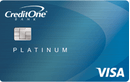
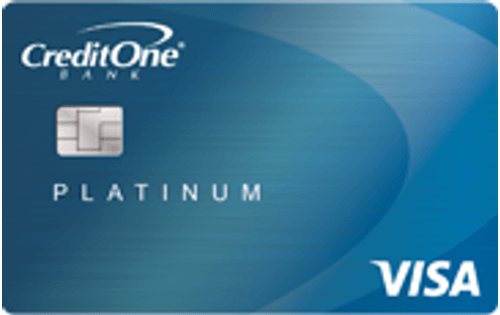
- Rates & Fees Best for Cash Rewards: Credit One Bank® Platinum Visa® for Rebuilding CreditLearn MoreLearn Moreon issuer's website
- Rates & Fees Best for Cash Rewards: Credit One Bank® Platinum Visa® for Rebuilding CreditLearn MoreLearn Moreon issuer's website
- Best for Cash Rewards: Credit One Bank® Platinum Visa® for Rebuilding CreditLearn MoreLearn More
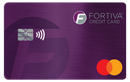
- Best for Gas & Groceries: Fortiva® Cash Back Rewards MastercardLearn MoreLearn Moreon issuer's website
- Best for Gas & Groceries: Fortiva® Cash Back Rewards MastercardLearn MoreLearn Moreon issuer's website
- Best for Gas & Groceries: Fortiva® Cash Back Rewards MastercardLearn MoreLearn More
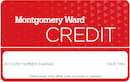
- High Approval Odds: Montgomery Ward Credit AccountLearn MoreLearn More
- High Approval Odds: Montgomery Ward Credit AccountLearn MoreLearn Moreon issuer's website
- High Approval Odds: Montgomery Ward Credit AccountLearn MoreLearn More

- Best Overall:
- Best for Cash Rewards:
- Best for Gas & Groceries:
- High Approval Odds:
Feel free to also check out our editors' picks for the best unsecured credit cards for bad credit available right now on the market to weigh your options.
Popular Credit Cards for Bad Credit from Our Partners
-
No Deposit
-
No Credit Check
-
Rewards
-
Partially Secured


Layla Rivera, Member
@laylarivera
Try OneMain Financial. No guarantee you’ll get $3,000 - it depends on your income and stuff like that. But it’s a good card for bad credit that doesn’t require a security deposit.

Andrew Young, Member
@a_young_1984
Available options fall into two categories:
Secured cards (U.S. Bank, First Tech FCU) requiring full deposit matching desired limit
Subprime unsecured cards (Credit One, Fortiva) with lower initial limits ($300-$500) that may grow over time
Note that unsecured cards offering $3k limits to applicants with bad credit typically carry excessive fees (e.g., $99+ annual fees, high APRs).
People also ask


Did we answer your question?
Important Disclosures
Ad Disclosure: Certain offers that appear on this site originate from paying advertisers. For full transparency, here is a list of our current advertisers.
Advertisers compensate WalletHub when you click on a link, or your application is approved, or your account is opened. Advertising impacts how and where offers appear on this site (including, for example, the order in which they appear and their prevalence). At WalletHub we try to present a wide array of offers, but our offers do not represent all financial services companies or products.
Advertising enables WalletHub to provide you proprietary tools, services, and content at no charge. Advertising does not impact WalletHub's editorial content including our best picks, reviews, ratings and opinions. Those are completely independent and not provided, commissioned, or endorsed by any company, as our editors follow a strict editorial policy.