

Having emergency savings is important because it prevents your finances from unraveling due to unexpected life events, such as hospitalization, auto repairs, or sudden unemployment. Ideally, your emergency fund should be able to cover at least three to six months’ worth of expenses. However, saving that much money can be very difficult in the current economic environment. For example, in a new, nationally representative survey conducted by WalletHub, 64% of respondents say their income hinders their ability to save for emergencies.
WalletHub’s survey asked a variety of questions about people’s emergency savings, their ability to handle unexpected expenses, and the impact of inflation. You can check out the results below.
Key Stats
- Safety Net Shrinking: 2 in 3 Americans say the affordability crisis has affected their emergency savings.
- Not Enough Saved to Save: Nearly 1 in 5 Americans say they couldn’t come up with $1,000 in cash within 24 hours to save a loved one’s life.
- Saving Struggles Persist: 64% of Americans say their income hinders their ability to save for emergencies, while 36% blame inflation and another 36% point to their debt.
- Low Yield Trap: Nearly 2 in 5 people earn less than 3% APY on their emergency fund.
- Budgeting for Emergencies: 59% of people say they include emergency savings in their monthly budget.
- Relying on Others: More than 1 in 4 people expect someone else to bail them out if they run out of money.

Ask the Experts
To gain further insight on building and using emergency savings, we posed the following questions to a panel of experts. Click on the experts’ profiles to read their bios and responses.
- How much money do you recommend people save in an emergency fund?
- What strategies can people pursue in order to increase their emergency fund savings?
- What is your advice to people who are already dipping into their emergency funds due to inflation?
- What is the best way to handle an emergency expense when your emergency fund can’t cover it?
Ask the Experts

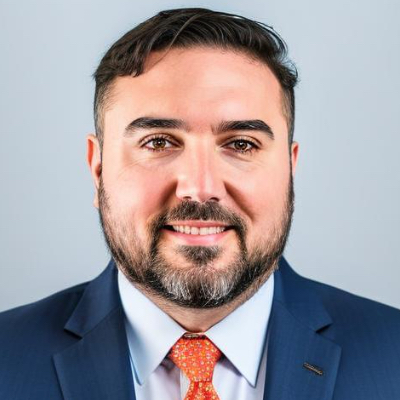
CPA/PFS CGMA – Assistant Teaching Professor, Accounting; Program Coordinator of the Accounting Program; Program Coordinator of the Financial Planning Program – Florida State University, Panama City
Read More
University Faculty of Business – Purdue University Global
Read More

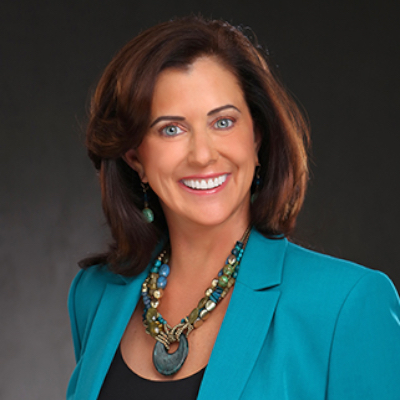
Ph.D., CFA, CFP® – Associate Professor of Finance, Lariccia School of Accounting and Finance, Williamson College of Business Administration – Youngstown State University
Read More
Associate Professor of Practice, Director of the Herbert D. Weitzman Institute For Real Estate – The University of Texas at Dallas
Read More
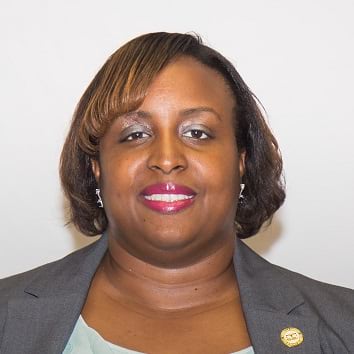
Ph.D., CFA – Associate Professor| UFF-FAMU Labor Union President| Investments and Analytics Lab Director – Florida A&M University, School of Business & Industry
Read More
Full Survey & Responses
| How long could your emergency savings cover your expenses? | |
|---|---|
| 6 months or more | 39% |
| 3 to 5 months | 28% |
| Less than 3 months | 19% |
| No emergency savings | 14% |
| Which financial goal is your biggest priority? | |
| Paying off debt | 36% |
| Contributing to retirement savings | 28% |
| Building emergency savings | 21% |
| Saving for a house | 10% |
| Improving credit score | 4% |
| What hinders your ability to save for emergencies? (select all that apply) | |
| My income | 64% |
| Inflation | 36% |
| My debt | 36% |
| My life choices | 31% |
| The decisions of others | 12% |
| Do you expect someone else to bail you out if you run out of money? | |
| No | 72% |
| Yes | 28% |
| How would you approach paying for a major unexpected expense? | |
| Use my emergency savings | 48% |
| Use a credit card or loan | 29% |
| Borrow money from family or friends | 13% |
| Withdraw from my retirement savings | 10% |
| Could you come up with $1,000 in cash within 24 hours to save a loved one’s life? | |
| Yes | 82% |
| No | 18% |
| Has the affordability crisis affected your emergency savings? | |
| Yes | 66% |
| No | 34% |
| Do you include emergency savings in your monthly budget? | |
| Yes | 59% |
| No | 41% |
| Is the APY on your emergency fund at least 3%? | |
| Yes | 61% |
| No | 39% |
| If you had extra savings, would you spend it frivolously? | |
| No | 70% |
| Yes | 30% |
Note: Percentages may not total 100% due to rounding.
Survey Methodology
This report reflects the results of a nationally representative online survey of 200 respondents.
After we collected all responses, we normalized the data by gender and age so that the sample would reflect U.S. demographics.


WalletHub's personal finance experts are frequently cited by leading media outlets. Contact our media team to arrange an interview.