


The term “corporate credit card” can mean slightly different things to different people. Technically, a corporate credit card is a special type of business credit card account that’s issued to a corporation (generally one with $10+ million in annual revenue), rather than an individual representing a business. As a result, individuals are not liable for corporate credit card debt, unlike balances on traditional business credit cards. And approval decisions aren’t based on the CEO’s personal credit history. Issuers instead review a company’s financial track record and use some of its assets as collateral.
A corporate credit card agreement typically gives the issuing bank a “security interest” in any deposit accounts the company has with it. In other words, the issuer can go after funds held in savings accounts, certificates of deposit (CDs), etc. You can’t get this type of card – also known as a commercial credit card – simply by filling out an application online, either. You have to schedule an appointment with a sales rep. And that’s just the beginning.
But in a more colloquial sense, a corporate credit card is what you might call the card that an employee receives as an authorized user on a company’s business credit card account. Some people also use it as a synonym for “business credit card.” And they’re not wrong. Other than matters relating to who’s legally responsible for paying the bill, there’s really no difference.
Compare 2026's Best Business Credit Cards
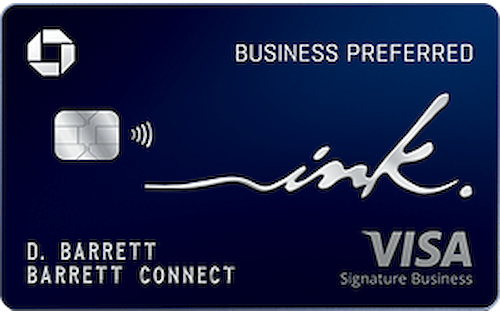
In particular, there’s nothing to the notion that corporate credit cards are for big companies while small businesses get business credit cards. Yes, corporate credit card programs may limit access to companies with annual revenue above a certain threshold. But size doesn’t matter with traditional business cards. Just consider the Ink Business Preferred® Credit Card – one of the top offers available. You can add an unlimited number of employees as authorized users. And it’s designed to be used by “a public or private company,” according to its terms and conditions.
So if you’re a business owner, you can get right to comparing business credit card offers. And we’ll tell you the top offers to target below. Just make sure to check your personal credit score first.
If you’re an employee looking to understand your company’s corporate credit card policy, you too can find everything you need to know below. In particular, we’ll tell you how to use your corporate credit card responsibly while reaping all the benefits you can. We’ll also highlight some of the best cards to consider if your arrangement involves submitting expense reports for work-related purchases made with a card of your choosing.
By the way, unless noted otherwise, we’ll stick to the more commonplace definitions of corporate credit cards from here on out. Only 3.5% of businesses bring in $10 million or more per year, after all, according to data from the U.S. Small Business Administration.
Notable Corporate Credit Card Programs
Just to give you a sense of what true corporate credit cards offer to and require of applicants, here’s a quick breakdown of some of the most popular offers:
| Issuer | Corporate Credit Cards | Annual Revenue Requirement |
| American Express | 7 | $4 million |
| Capital One | 1 | $10 million |
| Chase | 6 | $20 million |
Common Corporate Credit Card Arrangements
In general, there are two types of corporate credit card relationships that are actually attainable for the vast majority of the business community. The main distinction is whether or not employees must actually pay for the purchases they make.
- Employee Authorized User: Small business credit cards allow company owners to designate employees as authorized users on the corporate account. The primary accountholder can also set custom spending limits for each employee and earn rewards on their spending. But the primary accountholder has to foot the bill, too. Authorized users aren’t legally responsible for making payments.So if you own a business, be sure to set your employees’ credit limits at amounts you’re comfortable paying . You should also establish clear policies about when the card can be used and what, if any, purchases the employee must repay the company for.
- Employee Reimbursement: Many companies allow employees to use their own credit cards for work-related spending and then submit expense reports for review and reimbursement. This is the best arrangement if you’re an employee. It lets you rack up rewards on your personal credit card without really spending any of your own money.This can be particularly effective if you’re a light spender but want to qualify for one of the market’s best initial bonuses. They require you to spend a few thousand dollars within a few months of account opening.Bear in mind, however, that such an arrangement could lead to high credit utilization. But that won’t cost you anything, as long as you pay your bill on time (and in full) each month and don’t plan to take out a loan in the near future. Paying your bill multiple times per month can also help reduce your utilization.
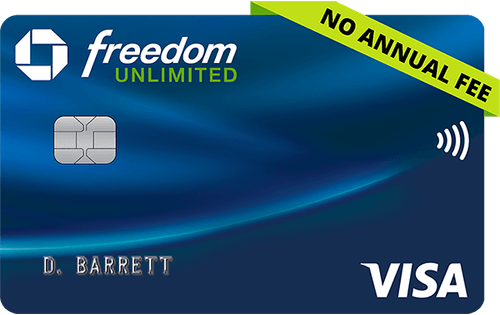
Whether you’re an owner looking for the right business credit card or an employee in search of a personal card to use for the occasional work expense, we’ve got you covered below. WalletHub’s editors picked the top offers for each group.
Best Credit Cards for Small Business Owners
| WINNER | ||
|---|---|---|
annual fee$195 | annual fee$60 | annual fee$95 |
rewards rate
| rewards rate
| rewards rate
|
bonus offer Earn $1,000 bonus cash back after you spend $10,000 on purchases in the first 3 months from account opening. | bonus offer 85,000 points | bonus offer Earn 100k bonus points after you spend $8,000 on purchases in the first 3 months from account opening. |
Purchase Intro APRN/A | Purchase Intro APRN/A | Purchase Intro APRN/A |
transfer intro aprN/A | transfer intro aprN/A | transfer intro aprN/A |
Regular APRFlex for Business APR: 17.74% - 28.49% (V) | Regular APR16.24% - 25.24% (V) | Regular APR17.74% - 26.74% (V) |
SponsoredApply Now | SponsoredApply Now | SponsoredApply Now SponsoredApply Now |
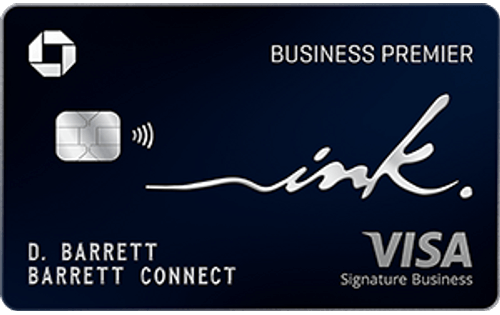
If you need a credit card for corporate financing, we recommend the Citi Simplicity Card. It offers extended 0% intro periods and don’t charge annual fees. Citi Simplicity is also a general-consumer credit card, and that’s no mistake. Credit card companies can raise the interest rate on a business credit card balance at any time. That’s not the case with consumer cards, which means 0% credit cards intended for personal use are the best choice for company financing.
The fact that business-branded credit cards aren’t always the best credit cards for business could also be a reason for using the term “corporate credit card” instead.
Best Credit Cards for Employees
| WINNER | WINNER | |
|---|---|---|
annual fee$0 | annual fee$95 | annual fee$0 |
Purchase Intro APRN/A | Purchase Intro APRN/A | Purchase Intro APR0% for 15 months |
transfer intro apr0% for 18 months Transfer Fee: 3% intro fee ($5 min) for each transfer in first 4 months, after that 5% ($5 min) for each transfer | transfer intro aprN/A | transfer intro apr0% for 15 months Transfer Fee: Either $5 or 3% of the amount of each transfer, whichever is greater in the first 60 days (5%, min $5 after) |
Regular APR17.49% - 27.49% (V) | Regular APR19.49% - 28.49% (V) | Regular APR18.24% - 27.74% (V) |
rewards rate
| rewards rate
| rewards rate
|
bonus offer Earn $200 cash back after you spend $1,500 on purchases in the first 6 months of account opening. This bonus offer will be fulfilled as 20,000 ThankYou® Points, which can be redeemed for $200 cash back. | bonus offer Earn a one-time bonus of 75,000 miles once you spend $4,000 on purchases within 3 months from account opening, equal to $750 in travel | bonus offer Earn a $200 Bonus after you spend $500 on purchases in your first 3 months from account opening |
SponsoredApply Now SponsoredApply Now | SponsoredApply Now SponsoredApply Now | SponsoredApply Now SponsoredApply Now |
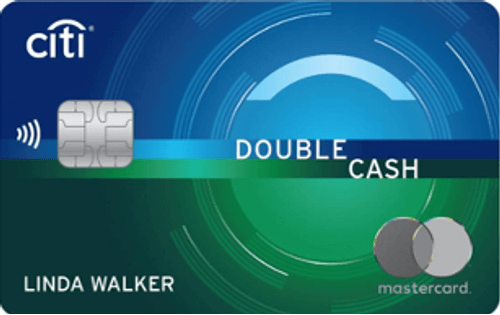

You can find more great options on the full list of WalletHub’s picks for the year’s best overall credit cards.
3 Corporate Credit Card Tips
- Save Your Receipts – Record-keeping and organization are essential to responsible credit card use, both for business owners and the rest of us. Saving receipts helps business owners with expense management and tax prep. And it could be the ticket to reimbursement for an employee.
- Know Your Limits – It’s best for your credit score if you use less than 30% of your available credit each month. And if you’re an authorized user, knowing how much spending power your employer has given you will help you determine whether a given purchase will go through.
- Consider a Separate Card for Personal Use – There are many benefits to using more than one credit card. For starters, it helps you get the best possible terms for each type of transaction you plan to make, rather than one card that’s average across the board.For example, if you’re a business owner, you could get a business rewards credit card for everyday company spending and a general-consumer 0% credit card for company financing. And you could add a general-consumer rewards card to the mix for personal spending. If you’re an employee, you could get a cash back credit card for personal purchases and a travel rewards card for work-related spending, or vice versa.This strategy, known as the Island Approach, also makes it easier to understand your finances. By segmenting different types of spending, you gain visibility over how you’re allocating resources and where you might need to cut back. Keeping everyday spending apart from revolving debt will also help you save on interest.
Finally, you’d be wise to sign up for a free WalletHub account. In addition to free credit scores and reports that are updated daily, you’ll get personalized savings alerts and credit improvement tips. That’s everything you and your company need to reach top WalletFitness®











WalletHub's personal finance experts are frequently cited by leading media outlets. Contact our media team to arrange an interview.