


What Are Credit Card Points?
Credit card points are one of the three main types of credit card rewards, along with cash back and miles. Cardholders can earn points by making purchases, meeting initial spending requirements, referring friends and more. Credit cards with points typically offer at least 1 point per $1 spent on all purchases. Some cards offer a flat earning rate, while others reward certain purchases more.
Key Points to Remember
- Redemption options: You can redeem credit card points for things like travel, merchandise, cash back, gift cards, exclusive events and donations.
- How to redeem: You can usually redeem points through your online account or by calling customer service.
- Point values: Points are usually worth around 1 cent each, but that’s not always the case. Some issuers have more or less valuable points, and some give you different values depending on what you redeem for.
- Devaluation: Your credit card issuer can change the value of your points at any time, so it’s a good idea to redeem them often to minimize the chances that they get devalued.
- Expiration: Your points may expire after a certain amount of time, after a certain period of inactivity (no purchases or redemptions). On some cards, you may only lose them when your account is closed or as a penalty for paying late or otherwise violating the account’s terms.
Below, you can find out more about earning and redeeming credit card points, as well as see a comparison of the best points credit cards.
How Do Credit Card Points Work?
Credit card points work as a reward system to incentivize people to make credit card purchases, as credit card companies make money from merchant fees whenever you buy something. Points are used in place of pure cash back in part because they give the issuer more control over the rewards program, including the power to change the value of already earned points at any time. In addition, issuers can set different point values for different redemption options, encouraging cardholders to use points for the options they prefer, such as travel. Consumers also might be incentivized to buy points from the issuer if they’re only a few points away from redeeming for a big-ticket reward.
The process of earning credit card points is pretty simple, since all you have to do is use your card, and redeeming points just requires you to select an option and follow the prompts. You can see what to expect, step by step, below.
- You get a credit card that offers points on purchases. It might also offer extra points as an initial bonus, on your account anniversary, or for doing things like adding an authorized user or referring a friend.
- You earn points. Using your card allows you to earn points, usually at least one point for every $1 you spend. Many cards offer more than that on some or all purchases.
- Your points appear in your account. Points post to your account after the billing period during which you earned them ends. It could take a few days to a few weeks for them to show up.
- You redeem your points. The easiest way to redeem points is usually through your online account. Depending on the card, you can trade them for cash back, travel, gift cards, merchandise, charitable donations and more. You also might be able to transfer points to partnered companies’ loyalty programs.
- Your points may expire. It’s important to read your card’s terms and conditions to understand when and how your points may expire, so you can prevent that from happening or use your points before it does.
How to Earn Credit Card Points
While most people know you can earn points by making purchases with a credit card or getting an initial bonus, there are actually a wide variety of ways you can obtain points, depending on the card.
- Day-to-day spending. Points credit cards reward you for every dollar you spend. You may even get extra points for making certain types of purchases. For example, a credit card might offer 3 points per dollar on all travel purchases (hotels, airfare, etc.), while giving 1 point per dollar on other types of purchases.
- Initial bonuses. Many credit cards will allow you to earn a large sum of points when you first get the card. Usually to get it you’ll either have to make a first purchase or spend a certain amount of money within a certain number of months.
- Milestones. Some cards will give you bonus points every year on the anniversary of when you opened your account, to thank you for your continued use. Others will reward you for making a certain number of purchases per month, spending a certain amount in a year, etc.
- Adding an authorized user. If a card offers extra points for adding an authorized user, that person will typically have to make a purchase or spend a certain amount of money in a certain timeframe before you can earn the bonus.
- Referring a friend. Some issuers might reward you for bringing them new customers. You’ll create a referral link to share with friends and family, and if any of those people get approved you’ll receive extra points.
So there are a lot of different ways you can earn credit card points, but not every card will offer every option. That’s why it’s important to shop around. A good place to start your search is WalletHub’s list of the best points credit cards.
Opinions and ratings are our own. This content is not provided, commissioned or endorsed by any issuer. WalletHub independently collected information for some of the cards on this page. Some cards are from WalletHub partners.
Best Credit Cards for Points
WalletHub selected the best points credit cards from 1,500+ offers based on how many points they give on purchases, their redemption values, their initial bonus offers and their annual fees. We also considered additional factors like the cards’ credit requirements, APRs, and supplemental benefits.
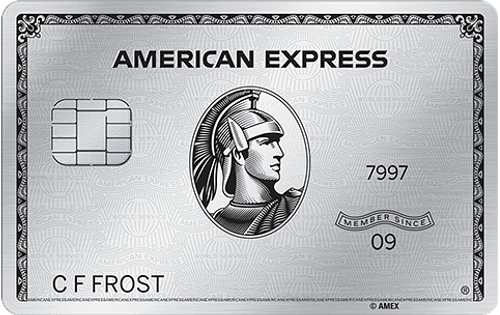
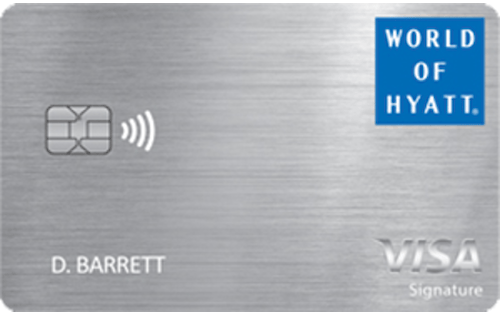
annual fee$895 | annual fee$0 | annual fee$95 | annual fee$95 | annual fee$99 |
rewards rate
| rewards rate
| rewards rate
| rewards rate
| rewards rate
|
bonus offer You may be eligible for as high as 175,000 Membership Rewards® points after you spend $12,000 in eligible purchases on your new Card in your first 6 months of Card Membership. Welcome offers vary and you may not be eligible for an offer. Apply to know if you’re approved and find out your exact welcome offer amount – all with no credit score impact. If you’re approved and choose to accept the Card, your score may be impacted. | bonus offer 20,000 points | bonus offer Earn 75,000 bonus points after you spend $5,000 on purchases in the first 3 months from account opening. | bonus offer 30,000 points | bonus offer 60,000 points |
Purchase Intro APRN/A | Purchase Intro APR0% for 12 months | Purchase Intro APRN/A | Purchase Intro APRN/A | Purchase Intro APRN/A |
transfer intro aprN/A | transfer intro apr0% for 12 months Transfer Fee: 4% (min $10) | transfer intro aprN/A | transfer intro aprN/A | transfer intro apr0% for 12 months Transfer Fee: 5% (min $5) |
Regular APRSee Pay Over Time APR | Regular APR18.49% - 28.49% (V) | Regular APR19.24% - 27.49% (V) | Regular APR19.24% - 27.74% (V) | Regular APR19.49% - 29.49% (V) |
SponsoredApply Now SponsoredApply Now | SponsoredApply Now | SponsoredApply Now SponsoredApply Now | SponsoredApply Now | SponsoredApply Now |



You can learn more about the best points credit cards here on WalletHub.
How to Choose the Best Credit Card for Points
If you want to maximize the value that you get from your credit card’s rewards points, it’s important to pick the right card. You’ll need to carefully compare your options to find the offer that works best for your financial situation, spending habits, and redemption preferences.
- Start by checking out WalletHub’s picks for the best points credit cards overall.
- Narrow down the options to cards you’re able to qualify for with your current credit score. You can check your credit score for free here on WalletHub.
- If you spend a lot of money in one or two particular categories each month (e.g., gas and groceries), consider cards that offer bonus points in those spending categories. Otherwise, consider cards that offer a decent number of points on all purchases (e.g., 2 points per $1 spent, no matter the category).
- Compare a few different cards and estimate how much you’d earn over the first two years based on your normal spending. Factor in any initial bonuses and subtract the cost of annual fees. You can also add in the value of any supplemental benefits the cards offer.
- When you’ve found the best 2-3 cards for your needs, see if the issuers allow you to check for pre-approval. This allows you to see your approval odds before you apply and to estimate your potential interest rate.
- Considering all of the factors you’ve looked at, apply for the card that best fits your needs while also giving you a good chance of qualifying.
How Much Are Credit Card Points Worth?
Credit card points are usually worth about one cent each. But it can vary, depending on both the credit card company and what you spend the points on. With some cards, your points will be worth the same amount no matter what you use them for. But with others, you’ll be incentivized to redeem for certain things. Some cards will offer far worse value, such as only half a cent per point, for certain types of redemptions.
The chart below compiles information on some of the most popular credit card points programs. You can see the average value of a point across all redemption options, along with which option will give you the highest value.
| Reward Program | Average Value of 1 Point | Best Redemption Option |
| Bank of America Travel Rewards | 0.85 cents | Travel |
| Chase Sapphire Preferred Ultimate Rewards | 0.95 cents | Gift Cards |
| Citi ThankYou Rewards+ | 0.83 cents | Gift Cards |
| U.S. Bank FlexPerks Rewards Program | 1.18 cents | Travel |
| Wells Fargo Rewards | 1 cent | Gift Cards |
It’s important to read up on point redemption policies before you apply for a card. If you’d like to keep your redemption options open and earn rewards that you can use for anything, you could instead go with a cash back credit card and avoid the point value issue altogether.
You should also note that credit card points, like miles and unlike cash back, can be devalued. Since the credit card issuer says how many points it costs to redeem for each option, they control the value of the points. That means they have the power to suddenly charge more points for an item, and to lower the points’ value. Cash, on the other hand, has an independent value and cannot be devalued by credit card companies. So if you do decide to get a points card, you should redeem your points often to minimize the chance of devaluation.
How to Redeem Credit Card Points
The point redemption process differs by issuer. But normally you start by logging in to your online account. From there, you should be able to navigate to a rewards area where you can trade your points for various things. Some issuers will even have a separate website dedicated to reward redemption to make things easier on you. And you may be able to redeem your rewards through third-party sites like Amazon or apps like Uber. If you’re having trouble with redemption, you can always call your issuer’s customer service line.
Once you figure out where to go to redeem your rewards, you’ll need to decide what to spend them on. That depends on both your needs and the redemption value of your points. Let’s examine some of the typical options:
- Travel. Points credit cards that are marketed as travel credit cards will often give you the best value for travel redemption. You can trade your points for airfare, hotel stays, cruises and more. Depending on the card, you might have to use your points immediately when you book (and you may be required to book through your issuer too), or you might be able to redeem points to wipe purchases off your bill after the fact.
- Gift cards. Many credit cards will allow you to trade points for gift cards to various retailers. This option often gives less value than others, though.
- Merchandise. You can sometimes spend points in an “online shopping mall” to buy products ranging from electronics to kitchenware to clothes.
- Cash back. If you don’t have any use for any of the available options, you can usually trade your points for a check in the mail or a statement credit. But since these cards usually aren’t meant for cash back redemption, you sometimes won’t get as good of a value. Chase Freedom Flex® Credit Card and the Bank of America® Premium Rewards® credit card are examples of points credit cards that do give good cash back redemption value.
- Loyalty programs. Some cards, such as Chase Sapphire Preferred, will let you transfer points from your card to the loyalty programs of hotels or airlines. This can sometimes give you better value on your redemption.
- Third-party sites. This includes things like “Shop with Points” on Amazon or using your points with services like Uber.
- Charitable donations. You may have an option to donate your points to charity. Usually, your points won’t be worth very much with this method, so it might be best to redeem for cash back and handle the donation on your own.
In conclusion, there are several key things you should consider when it comes to credit card points. You need to decide whether to get a card with consistent points across all purchases or increased rewards in certain areas. Base your decision on your spending habits. Then, use your card regularly, but not excessively, in order to earn and redeem rewards. And you need to fully understand all your redemption options, especially how much your points are worth with each.
And if you’re unsure of where to start when it comes to points cards, you can sign up for a free WalletHub account in order to receive free personalized credit card recommendations.
The point redemption process differs by issuer. But normally you start by logging in to your online account. From there, you should be able to navigate to a rewards area where you can trade your points for various things. Some issuers will even have a separate website dedicated to reward redemption to make things easier on you. And you may be able to redeem your rewards through third-party sites like Amazon or apps like Uber. If you’re having trouble with redemption, you can always call your issuer’s customer service line.
Once you figure out where to go to redeem your rewards, you’ll need to decide what to spend them on. That depends on both your needs and the redemption value of your points. Let’s examine some of the typical options:
Travel
Points credit cards that are marketed as travel credit cards will often give you the best value for travel redemption. You can trade your points for airfare, hotel stays, cruises and more.
Depending on the card, you might have to use your points immediately when you book (and you may be required to book through your issuer too), or you might be able to redeem points to wipe purchases off your bill after the fact.
Gift Cards
Many credit cards will allow you to trade points for gift cards to various retailers. This option often gives less value than others, though.
Merchandise
You can sometimes spend points in an “online shopping mall” to buy products ranging from electronics to kitchenware to clothes.
Cash Back
If you don’t have any use for any of the available options, you can usually trade your points for a check in the mail or a statement credit. But since these cards usually aren’t meant for cash back redemption, you sometimes won’t get as good of a value.
The Chase Freedom Flex® Credit Card and the Bank of America® Premium Rewards® credit card are examples of points credit cards that do give good cash back redemption value.
Loyalty Programs
Some cards, such as the Chase Sapphire Preferred® Card, will let you transfer points from your card to the loyalty programs of hotels or airlines. This can sometimes give you better value on your redemption.
Third-Party Sites
This includes things like “Shop with Points” on Amazon or using your points with services like Uber.
Charitable Donations
You may have an option to donate your points to charity. Usually, your points won’t be worth very much with this method, so it might be best to redeem for cash back and handle the donation on your own.
In conclusion, there are several key things you should consider when it comes to credit card points. You need to decide whether to get a card with consistent points across all purchases or increased rewards in certain areas. Base your decision on your spending habits. Then, use your card regularly, but not excessively, in order to earn and redeem rewards. And you need to fully understand all your redemption options, especially how much your points are worth with each.
And if you’re unsure of where to start when it comes to points cards, you can sign up for a free WalletHub account in order to receive free personalized credit card recommendations.











WalletHub's personal finance experts are frequently cited by leading media outlets. Contact our media team to arrange an interview.