

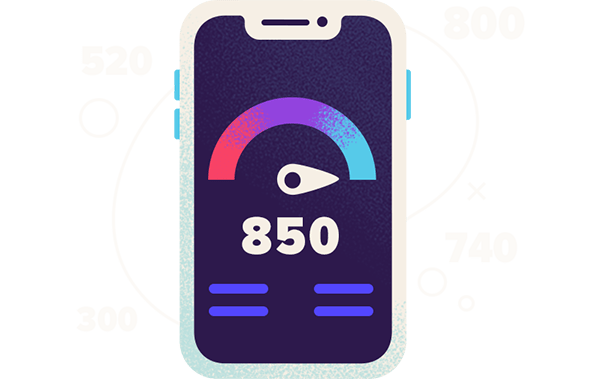
A credit score of 750 or higher is typically considered excellent credit, and nearly 50% of us have scores in this top tier of the standard 300 to 850 credit-score range, according to Experian data. Excellent credit can save you a lot of money each year, not to mention make it easier to find an apartment or even a job.
You can quickly determine whether you’re part of the excellent credit crowd by checking your credit score for free on WalletHub.
Below, you can learn more about excellent credit, from how to get it to what it gets you. Just remember that whether or not excellent credit translates into significant savings depends on the rest of your financial profile, as well as your particular lender’s standards. Lenders are the ones who make the final call on creditworthiness, after all.
Good vs. Excellent Credit
The average credit score is a little over 700, which counts as good credit. That’s obviously not quite as good as an excellent credit score of 750+, but there isn’t too much separating the top two credit tiers. The following table will tell you a bit more about what sets good and excellent credit apart and how to determine where you stand.
| Credit Tier | Excellent Credit | Good Credit |
| Score Range | 750 to 850 | 700 to 749 |
| Qualifications | You must: 1) Have 5+ years of credit-card/loan experience 2) Have $10K+ in available credit 3) Never have been 60+ days late on a bill 4) Never have declared bankruptcy |
You must: 1) Have 3+ years of credit-card/loan experience 2) Have $5K+ in available credit 3) Not have been 60+ days late on a bill in the past 12 months |
Tip: Check out the credit analysis section of your WalletHub account, where you’ll find letter grades for each component of your credit score. Those grades will tell you which areas to work on to ensure your score stays excellent. Bear in mind that you don’t need straight A’s to get an excellent credit score, but you need to be close.
Benefits of an Excellent Credit Score
Excellent credit is worth thousands of dollars in savings per year relative to bad credit, according to WalletHub’s calculations, getting you better deals on everything from credit cards and car loans to mortgages and insurance policies. Even the step up from the average American’s credit score, which is classified as “good,” could potentially provide hundreds of dollars in annual savings.
Not only that, but excellent credit also has the potential to open many important doors, offering invaluable opportunities in the process. You can get a sense of just how much excellent credit is likely to help you from the following table.
| Item | Do You Qualify? |
| Any Credit Card | YES |
| No Annual Fee Credit Card | YES |
| Big Initial Credit Card Bonus | YES |
| Credit Card with 0% Financing | YES |
| No Foreign Fee Credit Card | YES |
| Favorite Store’s Credit Card | YES |
| Airline/Hotel Credit Card | YES |
| Mortgage | YES |
| Auto Loan with 0% Intro Rate | YES |
| Lowest Auto Insurance Premiums | Info |
| Personal Loan with the Best Term & Rate | YES |
| Apartment Rental | YES |
How to Get an Excellent Credit Score
There is no secret to building an excellent credit score. All you really need is multiple credit cards or loans that you use responsibly over an extended period of time. With that being said, there are a few additional tips that we can share to help you cross the 750 credit score threshold and ultimately reach top WalletFitness.
Pay Your Bills on Time
The biggest factor in your credit score is your payment history. When you pay your bills on time, that’s positive information being added to your credit report, which, in turn, can boost your credit score. If you have trouble remembering to pay your bills, setting up automatic monthly credit card payments from a bank account is the best way to prevent forgetfulness from hampering your credit improvement efforts.
Keep Your Credit Utilization Low
Credit utilization compares your outstanding balance on the statement date to your overall credit limit to show how much of your available credit you’re using. So by minimizing your statement balance, you’ll also be improving your utilization and thus benefitting your credit score. It’s best to keep your credit utilization below 30%, but the average person with excellent credit tends to keep their ratio below 15%, according to Experian.
Limit Credit Inquiries
Every time you apply for new credit, a hard inquiry is placed on your credit report, negatively affecting your credit score temporarily. When you submit multiple credit applications at once, your credit score is impacted more severely. To prevent this from happening, only apply for credit when you need it to limit the number of hard inquiries on your credit report.
It’s important to note that hard inquiries for auto loans, student loans, and mortgages made within a 14- to 45-day period will only count as a single hard inquiry to give you the opportunity to shop around for the best rates.
Monitor Your Credit
A free credit monitoring service such as WalletHub’s will help you catch potential credit report errors and signs of fraud before they can do any real damage to your wallet. You should also make it a practice to review the grades on the credit analysis portion of your WalletHub account. This will give you an understanding of what’s required to either reach or maintain excellent credit.
Build a Robust Emergency Fund
No one can predict the future, and the good times don’t always keep rolling. That’s why it’s a good idea to take certain precautions, particularly setting aside some money in an emergency fund for rainy days. With a nice chunk of change acting as a safety net, you’ll be less likely to miss payments and default on debt if you lose your job or encounter some hefty, unexpected expenses. Aim to have at least three to six months’ worth of your living expenses saved up for this purpose.
For more tips on how to whip your credit score into excellent shape, check out our helpful credit improvement guide.














WalletHub's personal finance experts are frequently cited by leading media outlets. Contact our media team to arrange an interview.