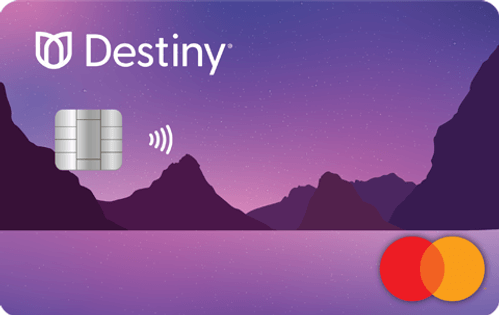
The Indigo Credit Card is an expensive credit card for people with bad credit, but it can be worthwhile because it doesn’t require a security deposit. In return for a
$700 credit limit, the card charges an annual fee of
$175 for the first year (
$49 after that), plus a monthly fee after the first 12 months.
What I Like About the Indigo Card
Applying is risk-free & it’s easy to get approved
If you apply for this card and you don’t end up getting approved, it won’t hurt your credit score. There’s no hard pull on your credit report until you get approved for an account.
Plus, even if you have a bad credit score, you should have a pretty good chance of getting this card. Approval isn’t guaranteed, but it is more likely than it would be with most other cards.
It can helps you (re)build your credit
The Indigo Mastercard is built for people with bad credit and, like all other credit cards, reports to the major credit bureaus each month. So if you pay your bill on time and avoid maxing out your credit limit, it will help you improve your credit score. You can track your progress with
WalletHub’s free daily credit score updates.
You can borrow $700
The Indigo Credit Card limit is
$700 to start. That means you could have as little as $525 to spend initially, since the annual fee will be assessed before you begin using your card, which could make covering emergency expenses kind of tough. Still, similar unsecured cards often offer much less spending power.
What I Don’t Like About the Indigo Card
It charges very high fees
The Indigo Mastercard will charge an annual fee of
$175 the first year and
$49 each year after that. Those fees are much higher than average, according to our database of 1,500+ credit card offers. In fact, the first-year portion rivals what some premium credit cards charge, minus all the rewards and other perks.
Although the annual fee drops to
$49 after the first year, a monthly fee of $12.50 gets added to the mix at that point. If you don’t need an emergency loan then, you should explore your options among
secured cards and higher-tier
unsecured cards with lower fees.
Expensive interest charges can inflate your bill
Balances carried from month to month with this card will accrue interest at a rate that is nearly 65% higher than the
market averages for secured credit cards.
If you carry a balance from month to month with this card, you may end up paying significantly more in interest charges over time.
You won’t earn rewards on purchases
Many other credit cards, even some for people with bad credit, reward cardholders with at least 1% back on purchases (and sometimes a whole lot more). That could really come in handy when you’re scraping to afford high fees and interest charges. Unfortunately, you won’t earn cash back, points, or miles with this Indigo Card.
Bottom Line
The Indigo Mastercard’s low credit score requirement, high credit limit, and lack of a security deposit requirement make it a good credit card to consider if your credit score is below 640 and you need a way to borrow for an emergency expense. Otherwise, there are much cheaper credit cards to build credit with – even some that have rewards.
Note: This review is not provided, commissioned or endorsed by any issuer. Opinions and ratings are our own.