
Maria Adams, Credit Cards Moderator
@m_adams
The most expensive card is the Centurion® Card from American Express, also called the Amex “Black Card,” because it has a $10,000 initiation fee and a $5,000 annual fee. You have to be invited to apply, and you reportedly need to spend hundreds of thousands of dollars per year on other Amex cards to qualify.
Most Expensive Credit Cards in 2026
- Centurion® Card from American Express: $5,000 annual fee
- Mastercard® Gold Card: $1,199 annual fee
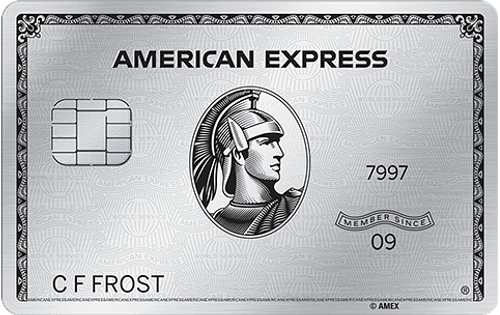
- American Express Platinum Card®: $895 annual fee
- The Business Platinum Card® from American Express: $895 annual fee
- Chase Sapphire Reserve®: $795 annual fee
- Sapphire Reserve for Business℠: $795 annual fee
- Mastercard® Black Card: $699 annual fee
There’s also a very expensive and very exclusive credit card available from a foreign bank – the Dubai First Royale Mastercard. It’s invitation-only, and only a couple hundred people own one. This card’s annual fee is nearly $2,000, but it also reportedly has no spending limit.
Note: We selected the cards with the highest annual fees from our database of 1,500+ credit card offers. We also consulted third-party sources.
Are Expensive Credit Cards Worth It?
Some credit cards with high annual fees have extra rewards or supplemental benefits, so they can be worth it if you spend enough and take advantage of all the built-in perks. For example, some cards offer valuable statement credits or come with luxurious benefits like airport lounge access.
However, many people with credit cards that are seen or marketed as status symbols are likely paying more for the inferred status than they are for a good credit card. It all depends on what you get in return for paying a high fee.
Expensive Cards for People With Bad Credit
Expensive cards don’t only end up in the hands of high rollers, and annual fees aren’t the only way to measure how expensive a card is. “Expensive” means different things to different people, and people with bad credit are often the ones who end up paying the most for a credit card.
For example, with the First Access Visa® Card, cardholders pay in the form of monthly, one-time, and annual fees, with low ongoing rewards that don’t make those fees worth it. Generally, these fee-laden credit cards for bad credit also come with high regular interest rates. So, those who carry a balance on an unsecured card for bad credit will pay dearly for the privilege. It’s only worth paying that price in an emergency.
When to Avoid Getting an Expensive Credit Card
If you have bad credit, you’re far better off putting down a deposit on a secured credit card with rewards than trying to get an unsecured card for bad credit. Secured credit cards offer nearly guaranteed approval, usually have $0 annual fees, and often offer great rewards, which makes it easy to build credit and save money. Plus, the deposit is fully refundable.
As for everyone else, always make sure to consider what a credit card is giving you in return for the fees it charges, and check out the best no annual fee offers. This way, you will be able to see whether paying extra for a credit card is worth it in light of your spending and payment habits.

Most Exclusive Credit Cards from Our Partners
-
Airport Lounge Access
-
Business Rewards

-
Best Rewards

-
Visa Infinite Concierge




Ryan Adams, Member
@radams_sports
Others here are right as far as I know: Centurion Card is the answer, but unless you’re a celebrity or secretly own a yacht, you’ll never touch one.
Why do people ask this question though? To make themselves feel better about spending $700 per year on Amex Platinum?

Joshua Carter, Member
@josh_carter
1. Amex Centurion - the famous Black Card
2. JP Morgan Reserve - For rich people who think Amex is gauche
You’re asking the wrong question though. You should want the least expensive or most rewarding credit card. Unless you’re a Saudi prince, stick with the Chase Sapphire Preferreds of the world.

Andrew Young, Member
@a_young_1984
The American Express Centurion Card. You’re looking at $15,000 in first-year costs (initiation + annual fee) if you’re rich enough to get an invite. Cards like Amex Platinum and Chase Sapphire Reserve are often labeled "expensive," but they’re entry-level compared to this.
People also ask
Did we answer your question?
Important Disclosures
Ad Disclosure: Certain offers that appear on this site originate from paying advertisers. For full transparency, here is a list of our current advertisers.
Advertisers compensate WalletHub when you click on a link, or your application is approved, or your account is opened. Advertising impacts how and where offers appear on this site (including, for example, the order in which they appear and their prevalence). At WalletHub we try to present a wide array of offers, but our offers do not represent all financial services companies or products.
Advertising enables WalletHub to provide you proprietary tools, services, and content at no charge. Advertising does not impact WalletHub's editorial content including our best picks, reviews, ratings and opinions. Those are completely independent and not provided, commissioned, or endorsed by any company, as our editors follow a strict editorial policy.