


A credit card is a plastic or metal payment card that allows you to make purchases without having the money up front, then pay back the credit card issuer over time. In return for the ability to make purchases on revolving credit, you may have to pay interest or fees, depending on the card and how soon you pay the bill in full.
Using a credit card responsibly is also one of the most efficient ways to build credit. Having a solid credit history is crucial for things like buying a house, purchasing a car or getting approved for a personal loan in the future.
Key Things to Know About Credit Cards
- How they work: Making a purchase with a credit card enables the user to securely borrow money as needed and then repay the card’s issuer after the fact.
- Building credit: Using a credit card responsibly is the easiest way to build a good credit score.
- Perks for cardholders: Benefits for credit card users include the opportunity to earn rewards on purchases, the flexibility to pay off large purchases over time, or the chance to reduce the cost of existing debt through a balance transfer.
- Why banks offer them: Banks and credit unions offer credit cards because they are a good source of income from fees and interest charges.
- Fees: Credit cards may come with fees. Late fees apply to nearly all credit cards when you don’t pay at least the minimum payment by the due date. Annual, monthly, and one-time fees may be charged just to own certain credit cards, too.
- Basic requirements: To qualify for a credit card account, an applicant must be at least 18 years old and have enough income to afford monthly bill payments. There is no minimum age to get a credit card as an authorized user.
- Issuer vs. network: Each credit card has both an issuer and a network. The issuer services the account, determines its terms, and provides rewards and certain perks. The network determines where you can use the card, processes transactions and handles certain high-level benefits.
Below, we’ll walk you through the details of what credit cards are and how they work.
How Credit Cards Work
Credit cards allow people to make purchases on credit – that is, without having the money up front – up to a certain credit limit set by the issuer. Once cardholders charge purchases to a card, they must make regular payments to keep the account open and in good standing. To that end, cardholders receive a credit card statement once a month, which details purchases and payments made during that billing cycle and notes when the next payment is required.
If a cardholder carries a balance from month to month, they’ll owe interest on that balance as well as on future purchases. In addition to interest, credit cards also charge various fees, including annual fees, foreign transaction fees, late fees, balance transfer fees and cash advance fees.
How Credit Cards Work in 6 Steps
- The cardholder makes purchases or other transactions such as cash advances or balance transfers.
- Each month, the issuer sends the cardholder a statement detailing their balance, the minimum amount they owe, and the payment due date.
- The cardholder pays some or all of the balance off.
- If the cardholder pays for their purchases within the window of the grace period on the account (typically between 21 and 25 days after the monthly statement is issued), they won’t have to pay more than they borrowed.
- If the cardholder carries a balance into the next billing period, they generally have to pay the regular interest rate – or regular APR – on the balance. Credit cards have higher regular APRs than most consumer loans, so it’s best to avoid carrying a balance. Some credit cards offer a 0% introductory APR on purchases or balance transfers, though.
- Most credit card issuers report the status of your account to the credit bureaus on a monthly basis. This helps you build credit and improve your chances of qualifying for other financial products in the future, assuming you use the account responsibly.
It’s worth noting that you do not have to make purchases with your credit card, and you will never owe interest if you never use the card for any transactions, assuming you pay any membership fees in full. However, some credit card companies require at least occasional purchases in order to keep the account open.
You can learn more about how credit cards work here on WalletHub.
Types of Credit Cards
There are many different types of credit cards for different types of consumers. Below, we’ll walk you through the most common kinds of credit cards and who they’re best for.
| Type | Definition |
| Unsecured cards | Cards that don’t require a security deposit to open. Most credit cards are unsecured. |
| Secured cards | Cards that require a refundable security deposit. They are aimed toward people with bad or no credit. |
| Rewards cards | Cards that offer cash back, points or miles when you make purchases. The best options require good or excellent credit. |
| Store cards | Cards you can only use at a certain merchant. There are also co-branded cards you can use anywhere. |
| 0% introductory APR cards | Cards that won’t charge you interest on purchases for 6-24 months. |
| Balance transfer cards | Cards that won’t charge you interest on balances transferred from other credit cards, lines of credit or loans for 6-24 months. |
| Student cards | Cards specifically targeted toward college students. They tend to give better terms and rewards than other cards for people with limited credit. |
| Business cards | Cards you can only get if you’re a business owner (sole proprietors count). They often give business-related rewards and perks. |
There are many other types of credit cards on the market – including cards for each credit level and cards that offer different types of rewards, like points, cash back or airline miles. Check out WalletHub’s guide on the different types of credit cards to learn more.
Opinions and ratings are our own. This content is not provided, commissioned or endorsed by any issuer. WalletHub independently collected information for some of the cards on this page.
Popular Credit Cards in 2026
- Rates & Fees Best Overall: Chase Freedom Unlimited®Learn MoreLearn Moreon issuer's website
- Rates & Fees Best Overall: Chase Freedom Unlimited®Learn MoreLearn Moreon issuer's website
- Best Overall: Chase Freedom Unlimited®Learn MoreLearn More
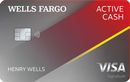
- Rates & Fees Cash Back: Wells Fargo Active Cash® CardLearn MoreLearn Moreon issuer's website
- Rates & Fees Cash Back: Wells Fargo Active Cash® CardLearn MoreLearn Moreon issuer's website
- Cash Back: Wells Fargo Active Cash® CardLearn MoreLearn More
- Rates & Fees Travel: Capital One Venture Rewards Credit CardLearn MoreLearn Moreon issuer's website
- Rates & Fees Travel: Capital One Venture Rewards Credit CardLearn MoreLearn Moreon issuer's website
- Travel: Capital One Venture Rewards Credit CardLearn MoreLearn More
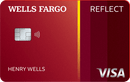
- Rates & Fees 0% Intro APR: Wells Fargo Reflect® CardLearn MoreLearn Moreon issuer's website
- Rates & Fees 0% Intro APR: Wells Fargo Reflect® CardLearn MoreLearn Moreon issuer's website
- 0% Intro APR: Wells Fargo Reflect® CardLearn MoreLearn More
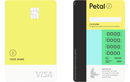
- No Credit: Petal® 2 Visa® Credit CardLearn MoreLearn More
- No Credit: Petal® 2 Visa® Credit CardLearn MoreLearn Moreon issuer's website
- No Credit: Petal® 2 Visa® Credit CardLearn MoreLearn More
- Rates & Fees Bad Credit: Capital One Quicksilver Secured Cash Rewards Credit CardLearn MoreLearn Moreon issuer's website
- Rates & Fees Bad Credit: Capital One Quicksilver Secured Cash Rewards Credit CardLearn MoreLearn Moreon issuer's website
- Bad Credit: Capital One Quicksilver Secured Cash Rewards Credit CardLearn MoreLearn More



- Best Overall:
- Cash Back:
- Travel:
- 0% Intro APR:
- No Credit:
- Bad Credit:
For more options, check out our editors’ picks for the best credit cards overall.
What Does a Credit Card Look Like?
A credit card is rectangular in shape, and its standard dimensions are 3.375 inches by 2.125 inches. A credit card is about 0.03 inches thick, too. Credit cards are the same size as a debit card, prepaid card, gift card or driver’s license. The weights of credit cards vary depending on whether they’re made out of plastic or various types of metal.
Credit cards have a number of distinctive features on them. They feature the cardholder’s name, as well as a card number, expiration date and security code. Depending on the card, these elements may be placed on the front or back.
Example of What a Credit Card Looks Like
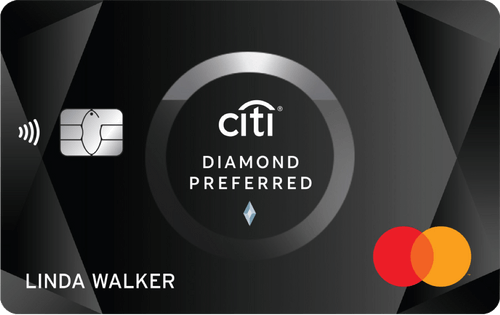
In addition, credit cards have a magnetic stripe on the back that you can use to swipe the card in a card reader. Most credit cards also have an EMV chip installed that you can insert into the reader for more secure transactions. Some even have an RFID chip for contactless payments.
What Is a Credit Card Used For?
The main thing a credit card is used for is making purchases without having to have cash on hand, but it’s also useful for a number of other things, including:
- Financing purchases over the long term: If you have a big purchase you need to finance over time, you can save a lot of money with a credit card that gives a 0% intro APR on purchases.
- Building credit: If you use your account responsibly, the positive information sent to the credit bureaus on a monthly basis will improve your credit score. Raising your score will make your financial future a lot easier when it comes to things like buying a house or a car, or qualifying for other loans and credit cards.
- Saving you money with rewards: Credit cards are good for saving money on purchases, as many cards reward you with cash back, points or miles every time you buy something. Some cards also offer initial bonuses that can be worth hundreds of dollars.
- Getting free supplemental benefits: Many credit cards offer worthwhile supplemental benefits such as travel insurance and purchase protection. Some even provide luxury perks like airport lounge access or yearly credits for certain types of purchases.
- Obtaining emergency cash: You can use your credit card like a debit card to get a cash advance from an ATM or bank. This can be a lifeline in emergency situations, but you shouldn’t use your card for cash advances unless it’s absolutely necessary, due to how expensive the resulting fees and interest are.
Learn more about the pros and cons of credit cards with WalletHub’s helpful guide.
Should I Get a Credit Card?
Yes, you should get a credit card. More specifically, you should get your own credit card account if you’re at least 18 years old, and you should get a parent to make you an authorized user on their credit card account when you are too young to get a credit card alone.
5 Reasons Why You Should Get a Credit Card:
1. Credit cards help build credit.
Every month you pay your bill on time and keep your account in good standing, your credit card will report good information about you to the credit bureaus – even if you don’t use the card at all.
2. Credit cards are convenient.
Credit cards – especially those on the Visa and Mastercard networks – are accepted nearly everywhere in the world, and it’s much easier to keep track of a credit card than a wad of cash.
3. Credit cards are better to use abroad than cash or debit cards.
As long as you don’t get a credit card with foreign transaction fees, credit cards are a huge asset when traveling outside the U.S. They can save you 3% on every purchase, for one thing. Plus, you won’t have to worry about changing money into the local currency because it happens automatically with a credit card, and you get a great rate.
4. It’s easier to deal with credit card fraud than debit card fraud.
All credit card networks have $0 liability guarantees for fraudulent transactions. When credit card fraud takes place, it’s usually a simple matter of calling the card issuer to get the charges taken off your account. Debit card fraud isn’t as easy to deal with because it involves money that was taken from your bank account. Debit card fraud protections are a little more complicated, too.
5. Many credit cards offer rewards on purchases.
Most people welcome free money, and that’s exactly what credit card rewards are. With the best rewards credit cards, you can get up to 8% back on some types of purchases, or up to 2% back on every purchase with a flat-rate cash back card.
Plus, many credit cards give you the opportunity to earn bonus rewards and enjoy perks such as free airport lounge access or 0% introductory APRs. There are even credit cards for people with bad credit, which can help you rebuild a damaged credit score. When used responsibly, credit cards can really help you benefit.









WalletHub experts are widely quoted. Contact our media team to schedule an interview.