



- Best startup business credit cards compared
- 4 startup credit card tips
- Methodology
- Sources
- About the author
- User questions & answers
Best Startup Business Credit Cards Compared
| Business Credit Card | Best For | Editor's Rating |
| Wells Fargo Signify Business Cash® Card | Cash Back | 4.2/5 |
| Ink Business Preferred® Credit Card | Initial Bonus | 4/5 |
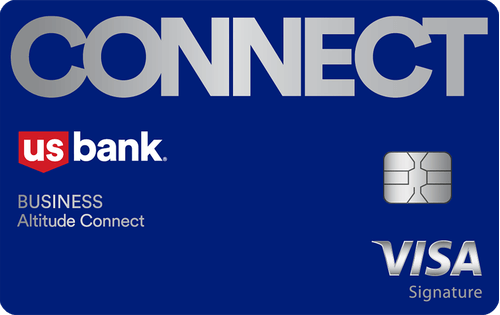
| U.S. Bank Business Altitude® Connect Visa Signature® Card | Travel Rewards | 4.2/5 |
| Brex Corporate Card for Startups | No Personal Guarantee | 4/5 |
| Amazon Business Prime Card | Amazon Purchases | 4.8/5 |
| First Federal Community Bank Business Zero+ Card | 0% APR | 4.6/5 |
| Capital One Spark Classic for Business * | No Credit | 3.5/5 |
| Business Advantage Unlimited Cash Rewards Secured credit card | Bad Credit | 4.8/5 |
4 Startup Credit Card Tips
1. Understand that business credit cards are very personal
Nearly all small business credit cards will consider applicants’ personal credit history when making approval decisions. Business credit cards will also hold applicants personally liable for any unpaid balances. You can learn more from WalletHub’s latest business credit card study.
2. Compare offers based on the features that will affect you the most
Choosing the best business credit card for startups usually comes down to finding the card that rewards the business’s biggest spending categories the most. It’s especially important to focus on purchases that will be paid off within a single billing period, as business credit cards without 0% APRs are bad for carrying a balance from month to month, since the interest rate can change at any time.
Still, there are a lot of other great incentives to get a business credit card for a startup, so shop around to see which card fits the needs of the business the best.
3. Consider using a general-consumer credit card instead
Business credit cards offer a variety of unique features, from free cards for employees to bonus rewards in popular corporate spending categories. But you shouldn’t be afraid to at least consider elite consumer credit cards, too.
If you find that such a card is likely to save you more money than a business credit card, there’s no problem with using it for business expenses. Just don’t mix business and personal expenses on the same card.
4. Remember that startups and established businesses can get the same credit cards
Don’t assume that you need to go after a lower-tier card just because it’s for a startup company. The age of a business doesn’t matter much when it comes to small business credit card approval. Rather, the business owner’s personal finances are far more important. So, if you have a good or excellent credit score, you stand a good chance of getting one of the best business credit cards on the market.

Methodology for Selecting the Best Business Credit Cards for Startups
 To find the best credit cards for startups, WalletHub’s editors regularly compare hundreds of credit card offers based on WalletHub Rating components. In addition, we consider approval requirements, related to both the startup company in question and the representative of the business applying for credit. This enables us to select the startup credit cards capable of producing the most savings.
WalletHub's Key Rating Components

Two-Year Cost: 35% – We estimate the net value a cardholder can receive over two years by comparing the rewards earned from business spending with the total fees and interest charged during that period.
Other Features: 17% – We consider business tools and perks, along with spending limits, credit bureau reporting, and more.
Fees: 17% – We examine all fees associated with each card, including annual fees, monthly fees, and other charges that may affect early-stage businesses.
Rewards: 13% – We estimate rewards earnings, focusing on earning rates, redemption options, and how useful the rewards are for common startup expenses.
Editor’s Rating: 11% – WalletHub editors assess each business credit card based on its rewards, usefulness for startups, cost structure, and overall value compared to similar business cards.
User Reviews: 6% – We consider feedback from cardholders to evaluate the user experience.
The above scoring focuses on business owners with limited credit personally. However, to cover different types of users, some featured cards are based on slightly different scoring criteria. These include options designed for business owners with good credit or better and cards for bad credit.
How Two-Year Cost Is CalculatedTwo-year cost is used to approximate the monetary value of cards for better comparison and is calculated by combining annual and monthly membership fees over two years, adding any one-time fees or other fees (like balance transfer fees), adding any interest costs, and subtracting rewards. Negative amounts indicate savings. When fees or other terms are presented as a range, we use the midpoint for scoring purposes.
Rewards bonuses and credits have been taken into account for two-year cost calculations. However, bonuses applicable to only a very small portion of cardholders are not considered. For example, credits and bonuses awarded for spending or redeeming rewards through a company portal with non-co-branded cards have not been taken into account. Similarly, bonuses and credits related to spending with specific merchants using a non-co-branded card have not been taken into account (for example, if Card A offers credits with DoorDash, this feature would not be factored into calculations because it is hard to assess how many cardholders would use the benefit or exactly how much value they'd get from it).
Cardholder Spending Profiles
Given that different users have different goals and are likely to use their credit cards differently, we identified spending profiles that are representative of different users’ financial priorities and behaviors. For each cardholder type, we have assumed a specific amount of monthly spending by purchase type (e.g., groceries, gas, etc.), as well as an average balance, balance transfer amount, amount spent on large purchases and average monthly payment. Spending assumptions are based on PEX data.
Sources
WalletHub actively maintains a database of 1,500+ credit card offers, from which we select the best startup business credit cards for different applicants as well as derive market-wide takeaways and trends. The underlying data is compiled from credit card company websites or provided directly by the credit card issuers. We also leverage data from the Bureau of Labor Statistics to develop cardholder profiles, used to estimate cards’ potential savings.