



- Our picks
- How we picked the best business credit cards for bad credit
- Sources
- About the author
- User questions & answers
- Expert opinions
Our Picks
The best credit cards for business owners with bad credit tend to be those with a combination of low fees and high rewards rates, but they're not always business cards. Business owners should always consider both business and personal credit cards for company spending. Doing so increases your chances of finding the best possible deal without adding to your personal liability.
With that in mind, WalletHub’s editors compared all the offers for business owners and bad credit in our database of 1,500+ credit cards. You can learn more about the top credit cards for business with bad credit below.
Best Business Credit Cards for Bad Credit Comparison
| Credit Card | Best For | Annual Fee | Min. Deposit |
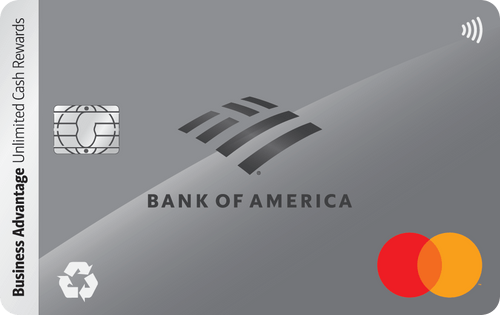
| Business Advantage Unlimited Cash Rewards Secured credit card | Overall | $0 | $1000 |
| Valley Bank Visa® Secured Business Credit Card | 0% APR and Rewards | $0 | See Terms |
| Ramp Corporate Card | Charge Card | $0 | N/A |
| First National Bank of Omaha Business Edition® Secured Mastercard® Credit Card | High Credit Limit | $39 | $2000 |
| Truist Enjoy Cash Secured Credit Card | Personal Card | $0 | $400 |
For more tips on choosing and using a credit card for business, make sure to check out our Business & Corporate Credit Cards Guide. You can also get a sense for how small-business friendly each major credit card issuer is from our annual Business Credit Card Study.

How We Picked the Best Business Credit Cards for Bad Credit
To identify the best credit cards for business owners with bad credit, WalletHub’s editors regularly compare more than 1,500 credit card offers based on key WalletHub Rating components. We first concentrate on cards branded for business use, excluding offers that applicants with credit scores below 640 can’t qualify for. In addition, we consider which general-purpose credit cards for people with bad credit might work for business owners, given the limited options typically available among small business credit cards for bad credit. This process ultimately enables us to pick the best options in the most popular usage categories based on expected cardholder expenses/savings.
WalletHub’s Key Rating Components

Two-Year Cost: 29% – We assess the total cost of using each business credit card over a two-year period, focusing on fees relative to the benefits a business owner with bad credit can realistically access. Cards that keep upfront and ongoing costs low while still offering extra value receive higher scores. Interest rates are given less weight since the primary goal is credit improvement, and we encourage paying balances in full whenever possible.
Credit Checks and Reporting: 24% – We prioritize cards that are accessible to applicants with bad credit, including those with relaxed approval requirements or alternative underwriting. We also favor issuers that report payment activity to major credit bureaus, helping business owners rebuild their credit profile through consistent, responsible use.
Fees: 15% – We evaluate all fees that could affect affordability, including annual fees, monthly fees, and processing charges. Cards with straightforward, transparent pricing rank higher.
Security Deposit and Credit Limit: 12% – For secured options, we review how much of a deposit is required and how it translates into a credit limit. We also consider whether the card provides opportunities for credit limit increases or a transition to an unsecured product as credit improves.
Editor’s Rating: 10% – Our editorial team analyzes each card’s overall value for business owners with bad credit, weighing its accessibility, usability, and how well it supports credit improvement compared to similar options.
Rewards: 5% – While rewards are not the main focus, we still consider whether a card offers simple, useful earning opportunities on everyday business purchases without adding unnecessary complexity.
User Reviews: 5% – We factor in feedback from business owners, especially those with bad credit, to understand how these cards perform in everyday use and how effectively they support credit-building goals.
How Two-Year Cost Is Calculated
Two-year cost is used to approximate the monetary value of cards for better comparison and is calculated by combining annual and monthly membership fees over two years, adding any one-time fees or other fees (like balance transfer fees), adding any interest costs, and subtracting rewards. Negative amounts indicate savings. When fees or other terms are presented as a range, we use the midpoint for scoring purposes.
Rewards bonuses and credits have been taken into account for two-year cost calculations. However, bonuses applicable to only a very small portion of cardholders are not considered. For example, credits and bonuses awarded for spending or redeeming rewards through a company portal with non-co-branded cards have not been taken into account. Similarly, bonuses and credits related to spending with specific merchants using a non-co-branded card have not been taken into account (for example, if Card A offers credits with DoorDash, this feature would not be factored into calculations because it is hard to assess how many cardholders would use the benefit or exactly how much value they'd get from it).
Cardholder Spending Profiles
Given that different users have different goals and are likely to use their credit cards differently, we identified spending profiles that are representative of different users’ financial priorities and behaviors. For each cardholder type, we have assumed a specific amount of monthly spending by purchase type (e.g., groceries, gas, etc.), as well as an average balance, balance transfer amount, amount spent on large purchases and average monthly payment. Spending assumptions are based on Bureau of Labor Statistics data for consumers and PEX data for businesses.
Sources
WalletHub actively maintains a database of 1,500+ credit card offers, from which we select the best bad-credit credit cards for different applicants as well as derive market-wide takeaways and trends. The underlying data is compiled from credit card company websites or provided directly by the credit card issuers. We also leverage data from the Bureau of Labor Statistics to develop cardholder profiles, used to estimate cards’ potential savings.















Business credit cards will check your personal credit when you apply and hold you personally liable for any unpaid balance. Business cards also won’t give you much variety when you have bad credit. With those factors in mind, you’d be wise to at least consider using one of the best credit cards for people with bad credit for business purposes.