





- Our picks
- How we picked the best credit cards for teenagers
- Sources
- Beginner’s Guide to Credit Cards for Teenagers
- About the author
- User questions & answers
Our Picks for the Best Teenage Credit Cards
Teens who are in school should definitely consider student credit cards. Student cards tend to offer a few more perks than other credit cards for teenagers. To find the best credit cards for different types of teenagers, WalletHub’s editors compared 1,500+ offers, and you can learn more about their final selections below.
Best Credit Cards for Teenagers Comparison
| Credit Card | Best For | Annual Fee |
| Capital One Savor Student Cash Rewards Credit Card (see Rates & Fees) | Overall | $0 |
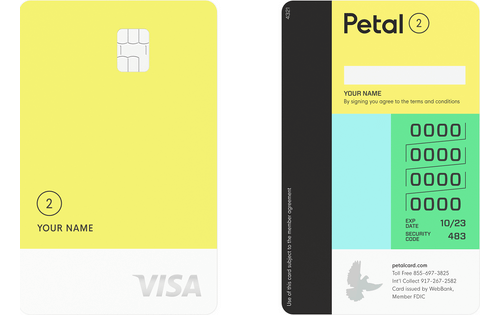
| Petal® 2 Visa® Credit Card | No Credit | $0 |
| Capital One Platinum Credit Card (see Rates & Fees) | Credit Building | $0 |
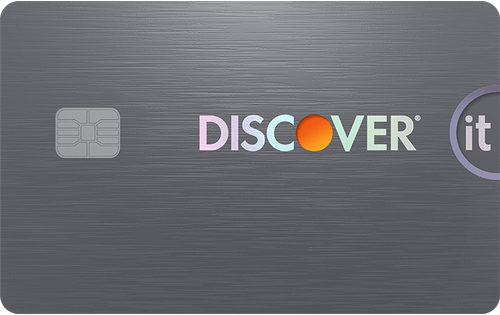
| Discover it® Secured Credit Card | Secured Card | $0 |
| Capital One QuicksilverOne Cash Rewards Credit Card (see Rates & Fees) | Cash Rewards | $39 |
| Upgrade Cash Rewards Visa® | Fair Credit | $0 |
| Amazon Store Card | Amazon Purchases | $0 |
| Kohl's Credit Card | Department Store | $0 |
Unfortunately, 0% intro APRs aren’t usually available to people with limited credit. And the cards that teens can get typically have pretty high regular interest rates. So it’s important for teens to pay their credit card bills both on time and in full every month. This will help you save money and allow your credit score to improve.
You can check out some tips in WalletHub’s on-time payments guide. And you can track your credit score’s progress for free on WalletHub, too. WalletHub is the only site with free credit scores that are updated on a daily basis.
Methodology for selecting the Best Credit Cards for Teenagers
To identify the best credit cards for teenagers, WalletHub’s editors routinely compare over 1,500 credit card offers, evaluating their rewards, fees, APRs, approval requirements, and other WalletHub Rating components. Next, we determine which credit cards are best suited for different types of teenagers, based on the most common use cases.
For example, we focus on expected rewards value after fees for teenage credit card users who will pay their bill in full every month. Similarly, we consider student credit cards as well as general-purpose credit cards to give teenagers options based on their education status.
The goal is to provide the best possible collection of credit cards for teenagers to choose from and to make the selection process simple.
How Two-Year Cost Is Calculated
Two-year cost is used to approximate the monetary value of cards for better comparison and is calculated by combining annual and monthly membership fees over two years, adding any one-time fees or other fees (like balance transfer fees), adding any interest costs, and subtracting rewards. Negative amounts indicate savings. When fees or other terms are presented as a range, we use the midpoint for scoring purposes.
Rewards bonuses and credits have been taken into account for two-year cost calculations. However, bonuses applicable to only a very small portion of cardholders are not considered. For example, credits and bonuses awarded for spending or redeeming rewards through a company portal with non-co-branded cards have not been taken into account. Similarly, bonuses and credits related to spending with specific merchants using a non-co-branded card have not been taken into account (for example, if Card A offers credits with DoorDash, this feature would not be factored into calculations because it is hard to assess how many cardholders would use the benefit or exactly how much value they'd get from it).
Cardholder Spending Profiles
Given that different users have different goals and are likely to use their credit cards differently, we identified spending profiles that are representative of different users’ financial priorities and behaviors. For each cardholder type, we have assumed a specific amount of monthly spending by purchase type (e.g., groceries, gas, etc.), as well as an average balance, balance transfer amount, amount spent on large purchases and average monthly payment. Spending assumptions are based on Bureau of Labor Statistics data.
Sources
WalletHub actively maintains a database of 1,500+ credit card offers, from which we select the best credit cards for teenagers for different applicants as well as derive market-wide takeaways and trends. The underlying data is compiled from credit card company websites or provided directly by the credit card issuers. We also leverage data from the Bureau of Labor Statistics to develop cardholder profiles, used to estimate cards’ potential savings.
Beginner’s Guide to Credit Cards for Teenagers
How Old Do You Need to Be to Get a Credit Card?
To get a credit card in your own name, you need to be at least 18 years old. If you are a minor, the only way you can get a credit card is to sign on to someone else’s account as an authorized user. Just note that some credit card companies have age requirements for authorized users, ranging from 13 to 18 years old.
Credit card issuers are required by law to consider an applicant’s ability to pay. Anyone between 18 and 20 years old must have enough independent income to afford the minimum monthly payments on a credit card. Applicants who are 21+ years old may list shared household income and assets they have reasonable access to (a spouse’s income, for example) when applying for a credit card to increase their chances of getting approved.
Learn more about how old you have to be to get a credit card.
How to Choose a Credit Card for a Teenager
When choosing a credit card for a teenager, focus on credit cards with no annual fees, monthly fees or one-time “processing fees.” You should also look for cards that report to all three major credit bureaus, and rewards on purchases are a plus too. Teens should pay their credit card bill in full every month, so interest rates shouldn’t be a big concern. The focus should be building credit as inexpensively as possible.
WalletHub offers a free credit card comparison tool to help you compare multiple credit card offers so you can quickly find the best credit card for your teen. Simply apply the filters on the page to narrow your search based on the features you want and review the offers.
Types of Credit Cards to Consider for Teens
Student credit cards are among the best credit card offers for teens. Cardholders may have access to rewards, low fees, and other features not readily available to non-students with limited or no credit.
Non-student teens can choose from some of the best credit cards for no credit. You might also want to consider secured cards, which are a low-risk way for a teenager to start building credit. Secured cards require a security deposit to open the account, and the amount of the deposit usually determines your credit limit. The deposit will be refunded in full when you close the account in good standing.
Learn more about how to choose the right credit card.
How to Get a Credit Card as a Teenager
To get a credit card as a teenager, you can sign on as an authorized user on someone else’s credit card account or have them help you apply for a credit card in your own name if you are 18+ years old. If you’re a teenager younger than 18, the authorized user route is the only way you can get a credit card.
Learn more about how to get a credit card for a teenager.
Pros and Cons of Teen Credit Cards
| Pros | Cons |
| Opportunity to build a strong credit profile early | Temptation to overspend |
| Can be a valuable tool for learning financial responsibility | Risk of mounting debt |
| Access to emergency funds | Negative effect on your credit score if you miss payments |
| $0 fraud liability guarantee | Low credit limits |
| Rewards on purchases and low annual fees | Possible conflicts with parents if a teen authorized user mismanages the account |
Credit cards for teens can be a valuable tool for building credit and teaching financial responsibility, but they also come with potential downsides if they’re not used properly. Fortunately, the cons can be avoided if you’re careful, allowing you to simply enjoy the benefits.
Learn more about the pros and cons of credit cards.
Teaching Teens About How to Use Credit Cards
Teaching teens about credit cards begins with practical experience. Start by loading a prepaid card with the teen’s allowance and have them pay for some of their own expenses. Prepaid cards are an ideal financial tool for teens, as parents can monitor their teen’s spending online while the teen can learn financial lessons with no risk to their credit standing.
Once your teen has built a track record of responsible use with the prepaid card, increase their responsibility by opening a checking account. Once they’ve shown a proficiency for balancing a checkbook, gradually work in other simple yet essential tasks, such as keeping a simple budget. From there, allow them to work their way up to a student credit card or a secured credit card.
Learn more about how to build credit with a credit card.